

Juvenile Offenses
Is Minor Consumption a Misdemeanor? Understand the Legal Implications
Discover the legal implications of minor consumption and whether it qualifies as a misdemeanor.
Read articleJuvenile Offenses
A charge in a young person's teens shouldn't define the rest of their life. Juvenile cases call for a defense focused on the future.
Massachusetts juvenile court is meant to be rehabilitative, but the consequences of a delinquency finding are real: probation, detention, and a record that can affect school, college, employment, and — in serious cases — transfer to adult court.
Juvenile matters cover the same underlying conduct as adult cases — from drug and assault allegations to more serious charges — but the process, the rights, and the strategy are different. The goal is to protect the young person's record and open the door to the best possible future.
How it works
We defend the charge while keeping the young person's long-term interests front and center.
Step 1
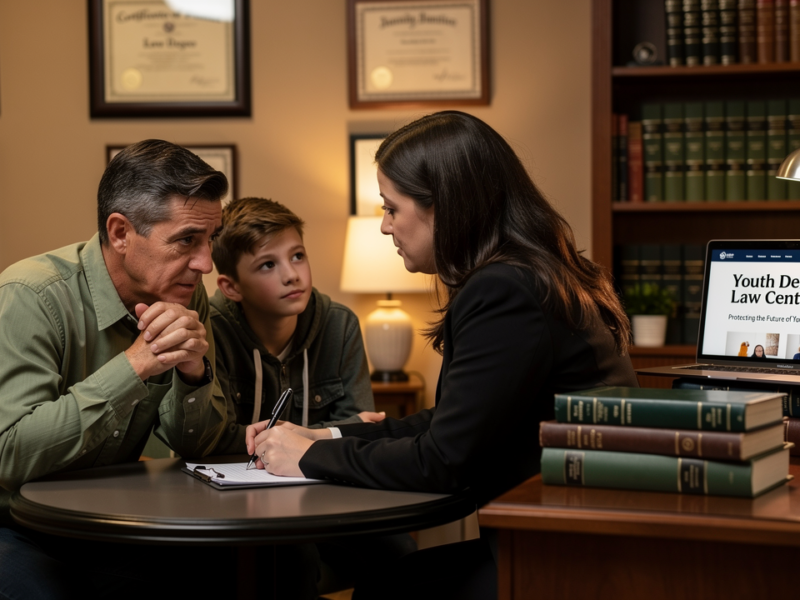
We meet with the young person and their family, review the allegation, and understand the school and home context that the court will weigh.
Step 2
We ensure any questioning and searches were lawful and that the juvenile's rights were honored.
Step 3
Where possible we seek diversion, informal resolutions, or dispositions that avoid a delinquency finding.
Step 4
When the case should be contested, we try it — with the same rigor as any adult defense.
The right defense now protects their future. Call for a free, confidential consultation.
From the journal
Juvenile Offenses
Discover the legal implications of minor consumption and whether it qualifies as a misdemeanor.
Read article
Juvenile Offenses
Can a minor be charged with a felony? Explore legal frameworks, rights, and potential consequences.
Read article